
Abrikos
ages 2–4, with a parent
We develop speech and thinking through movement, sensory play, creativity and rhythm.
- When: Saturday, 10:00 (ages 2–3) or 11:45 (ages 3–4)
- Length: 1 hour 20 minutes with a break
- Price: trial £20, four Saturdays £160
Abracadabra in London
A Saturday school for bilingual children aged 2–15. Educational programmes that leave room for children's curiosity, independence and their own pace: from first speech games to maths puzzles and book discussions.
The first class is a trial, and you can come on any Saturday.
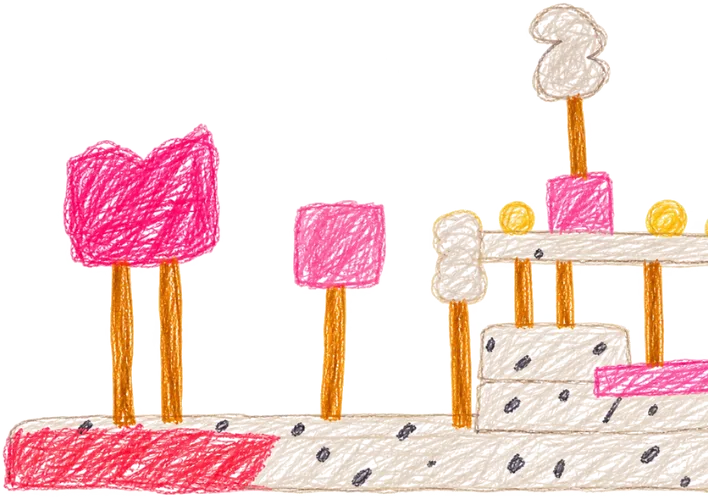
ages 2–4, with a parent
We develop speech and thinking through movement, sensory play, creativity and rhythm.
ages 4–8, without parents
Every Saturday we explore one topic from four sides: through Russian language and literature, maths and logic, an interactive lecture and a creative workshop.
ages 8–15, maths circle
Logic and olympiad problems, combinatorics, probability and unusual geometry. We look for our own ways to solve problems and learn to explain why they work.
ages 10–15, book club
We read aloud during the meetings, talk about stories and characters, and get to know different genres. No compulsory homework, and no need to buy the books.
Children need to read Russian fluently already.
Matesha + Chitalka
You can sign up for both clubs: four Saturdays for £200.
We take seriously what children learn and how that learning happens.
Every class has learning goals and a clear structure. But within that structure there is room for children's questions, their own decisions, different paces and different ways of taking part.
What matters to us is not only what a child learns, but their own experience of learning.
Abracadabra opened in Munich in 2017. It now has four schools: in Munich, Berlin, Amsterdam and London.
Our London teachers plan their classes together with the methodologists in Munich, drawing on the experience of the other schools and on what their own groups need.
At the same time, we have our own team of teachers, and with it come new projects: the Chitalka book club and the Matesha maths circle.
More about Abracadabra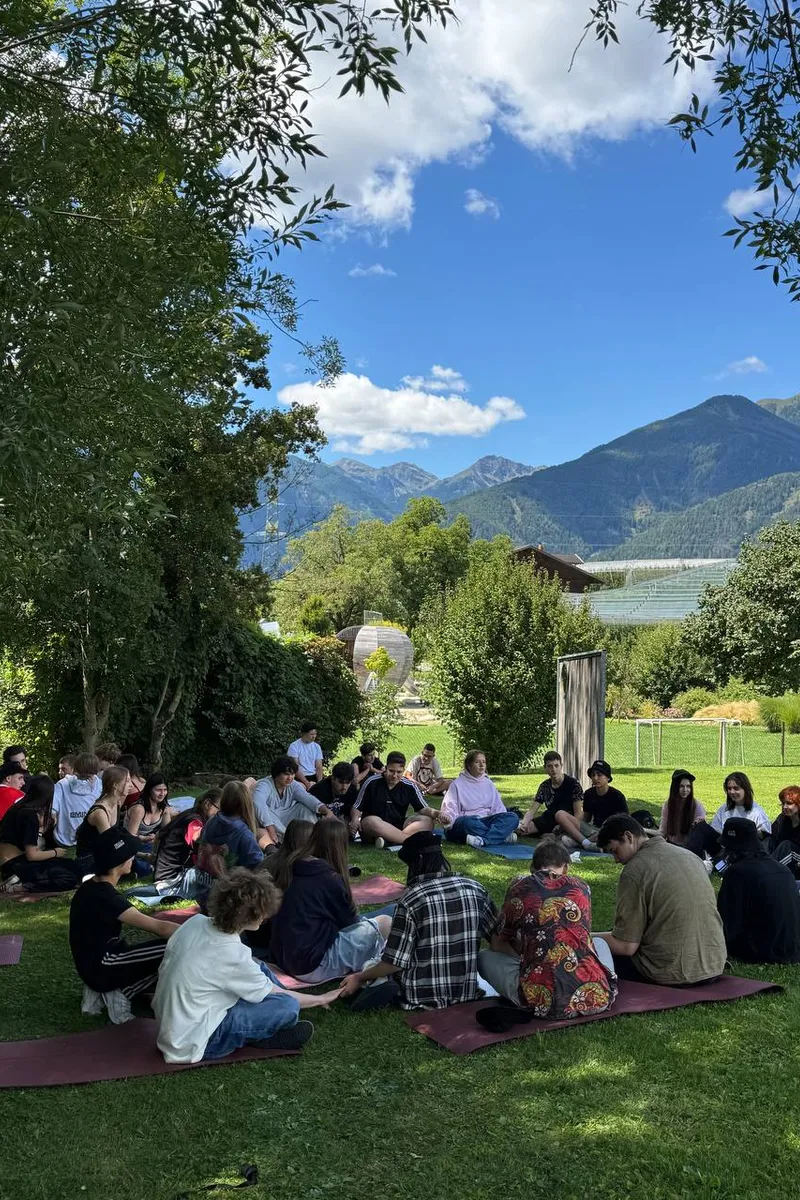
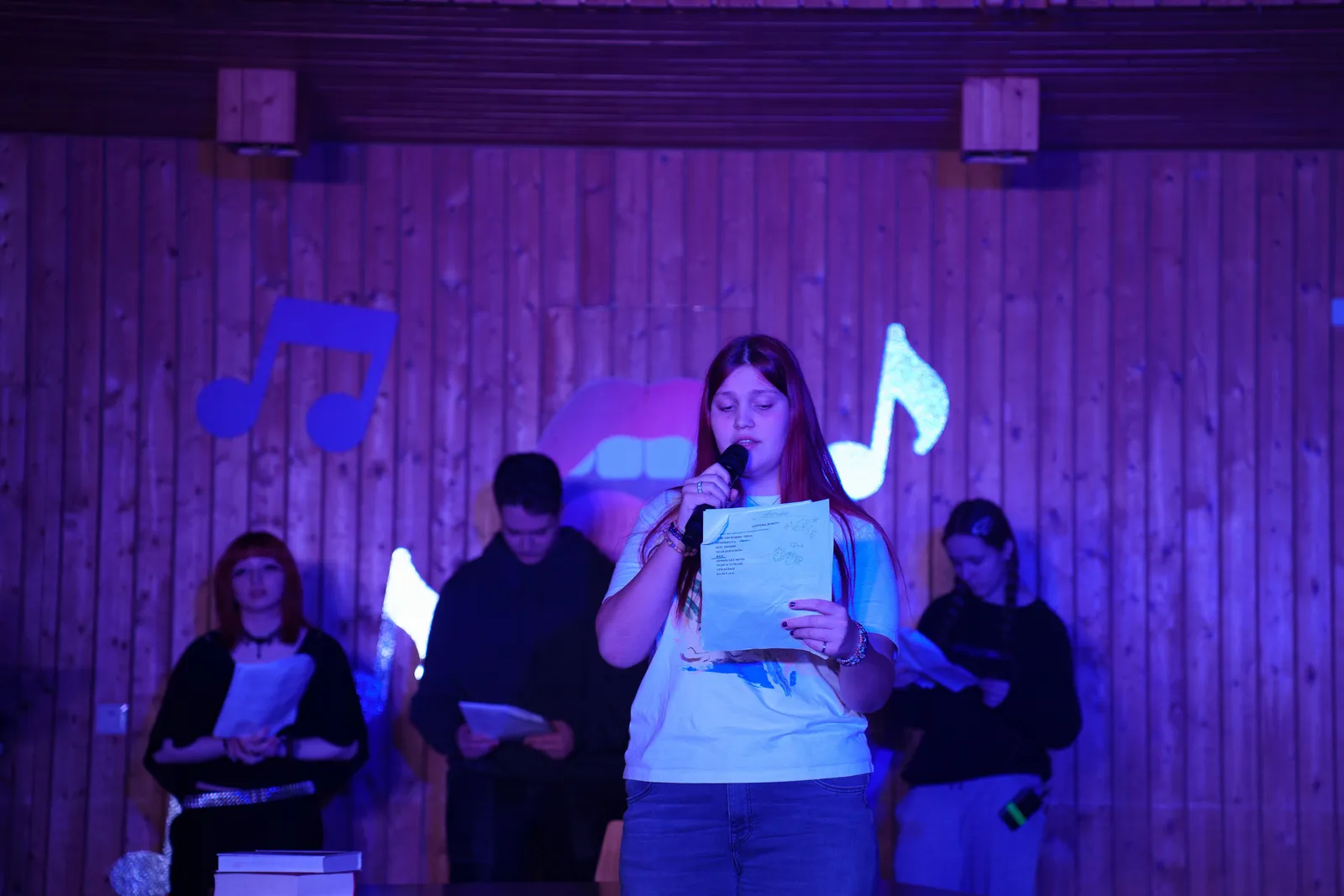
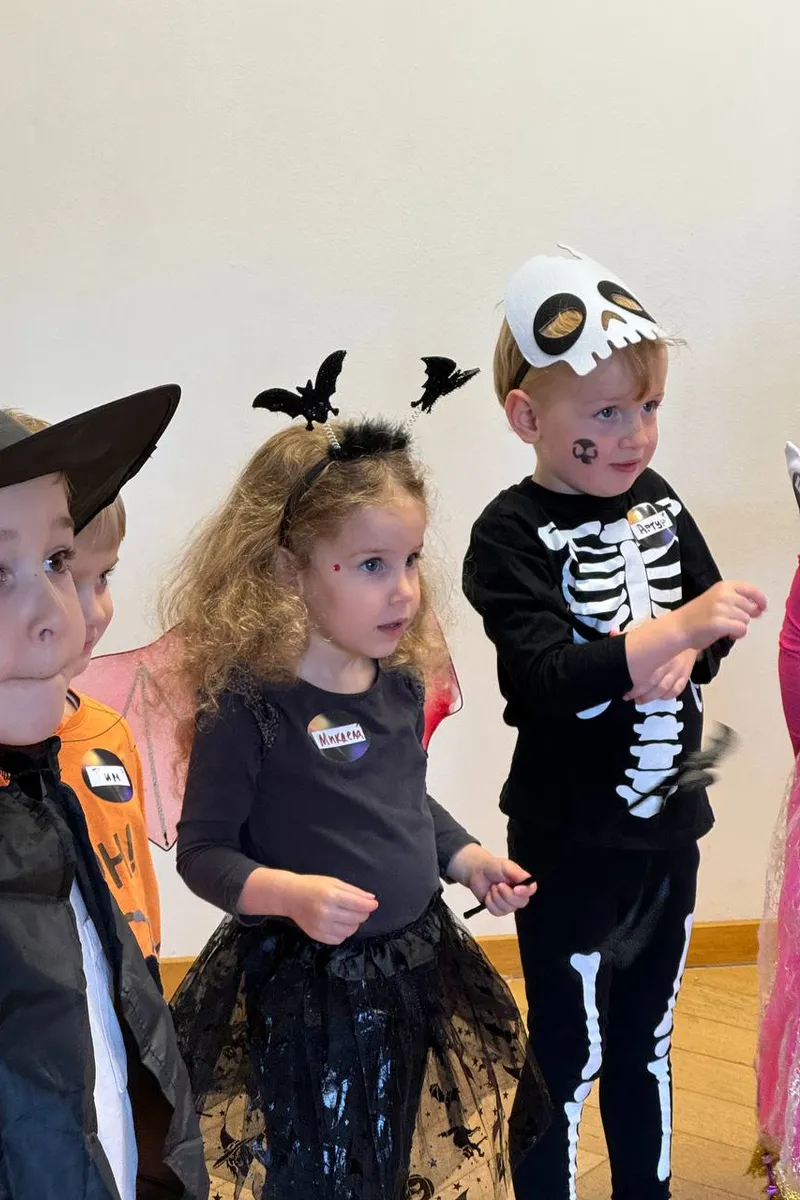
Our teachers and the people who make the school with them.
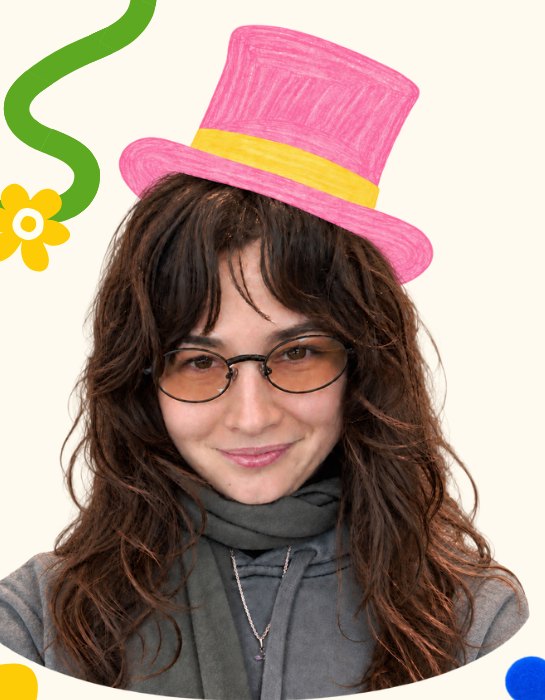 Founder
 of Abracadabra in London
Works in IT, launching projects from scratch and building teams. She opened Abracadabra in London so that children would have one more place to learn, create and talk in Russian.
She studied Oriental studies and has worked in IT and start-ups for many years.
I'm building this school out of love for children: I'm fascinated by how differently and how sincerely each child sees the world, and I learn a great deal from those conversations. From start-ups I've brought the habit of starting from scratch and trying things boldly, so we'll keep looking for new formats.
She is a photographer and loves hiking. “What matters most is that children speak Russian with love.”
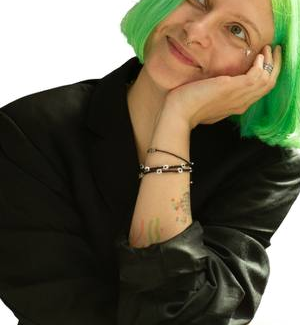
Abrikos: music, rhythm and speech
A composer. In Abrikos, music and rhythm run through the whole class: the little ones sing, play percussion and move however they like. As a child she sang everywhere: on the bus, on the way to school and with her grandmother.
She trained at the Moscow Film School and the Ippolitov-Ivanov Institute, writes music for film, theatre and games, works with orchestras and choirs, and has taught creative subjects to children for many years. She also knits, sews and does a lot of crafts with her daughter.
Abrikos, speech and language
A philologist who has worked with bilingual children. In her Logo block a word is always tied to an action: the child does something and names it straight away. As a child she loved reading and acting in the theatre.
She read Russian literature at Oxford. In class the little ones do articulation exercises, play verb games and learn to talk to one another. It matters to her that children are heard and taken seriously, as equal participants in the class.
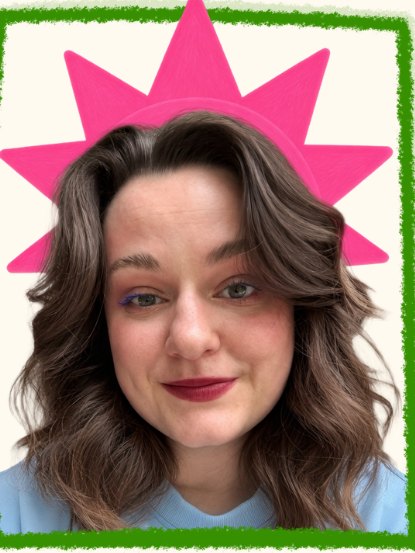
Russian language and literature, curriculum lead
She studied literature at St Petersburg State University and then did a master's in directing in London. She has worked with children for 13 years: teaching literature, staging plays and running creative and educational projects. At Abracadabra she teaches Russian, gives interactive lectures and runs the Chitalka book club; she also leads the development and adaptation of our educational programmes and helps teachers plan their classes.
She graduated from the Faculty of Liberal Arts and Sciences at St Petersburg State University, where she studied literature, linguistics and film, and later took a master's in film directing in London.
She has worked with children since she was 15: teaching Russian language and literature one to one and in groups, running literature and drama sessions at a social rehabilitation centre, and staging plays in the theatre, including with teenagers.
She works in film and theatre as a director. She loves exploring how stories are built and why people read the same work in completely different ways. In class she is interested not only in taking texts apart but in hearing what thoughts, questions and feelings they stir in the children.
She believes literature can give us words to understand ourselves.
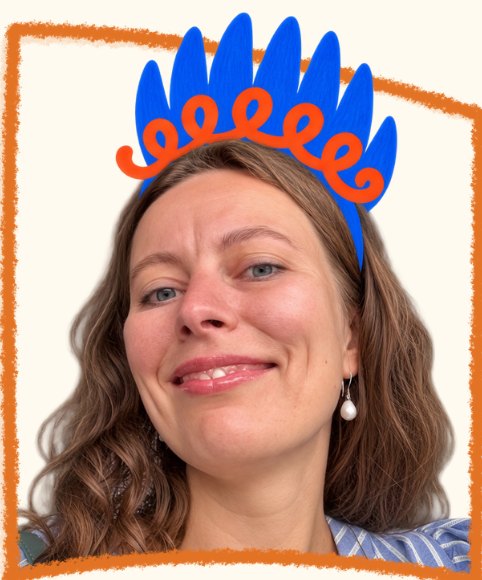
Maths and logic
A maths graduate of St Petersburg State University who has worked with data in IT for ten years. In class the children count, compare, measure and learn to explain their reasoning in Russian. She says a good maths class should have a eureka moment in it.
She went to a specialist maths school and has been a camp leader, a tutor and a school teacher. Patterns, she says, can be found not just in an exercise book but right there on the windowsill or in the woods. She has a rescue dog and loves being outdoors.
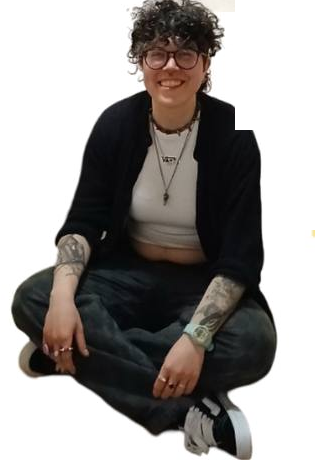
Creative workshop
An artist: she makes engravings, paints and runs children's sessions in London's museums, galleries and libraries. In the Children's University she looks after everything made by hand: the children draw, model, sew and glue. As a child she drew, climbed trees and patted every dog she met.
In her interactive lectures the children learn things they can then draw or build themselves. She wants every child to leave her class feeling seen and heard, and a real artist. She still walks along the kerbs.
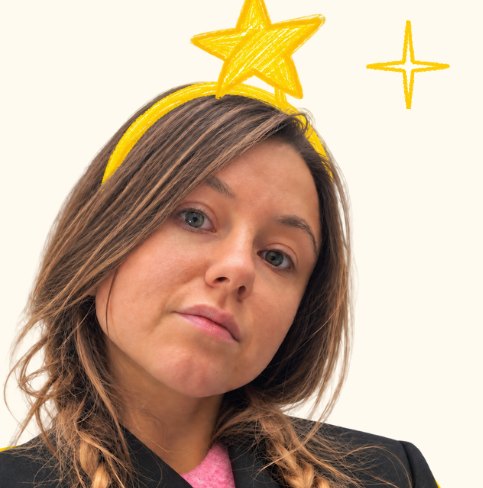
Visual lead
Makes the school's creative content and looks after how it looks: the space, the photos, the Stories. She used to work in construction while making children's clothes, and in London became a florist and set designer.
She loves William Morris, Charleston House and the galleries of the V&A. She wants the space to be full of life, where a child can be curious, noisy and ask a hundred questions.
Creative content and folklore lessons
Edits the school's Reels and makes carousels for Instagram. She will also teach folklore lessons.
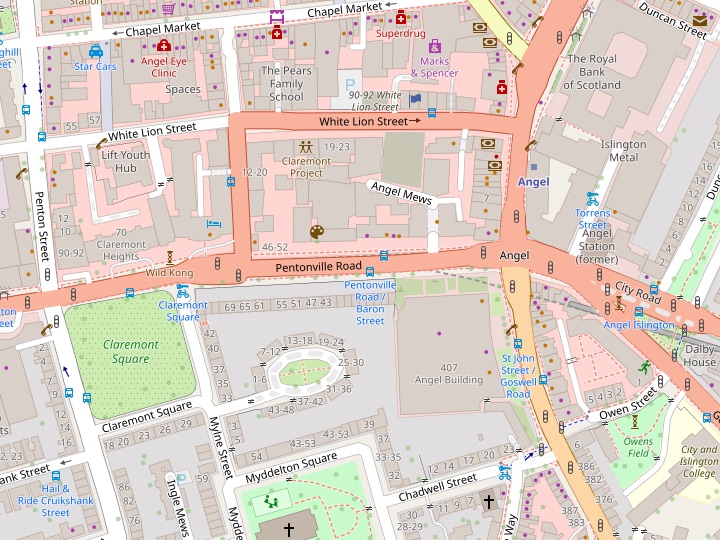
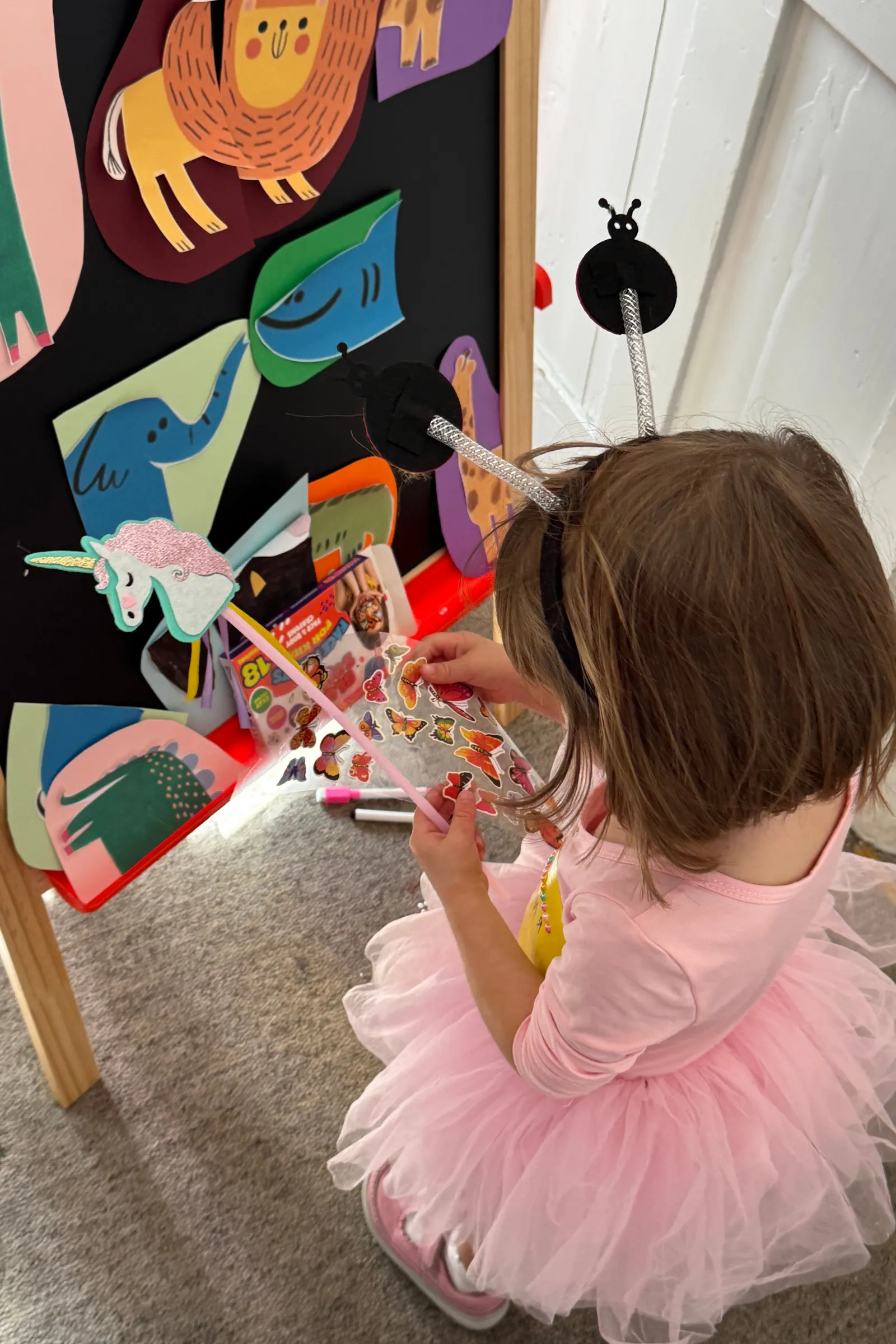
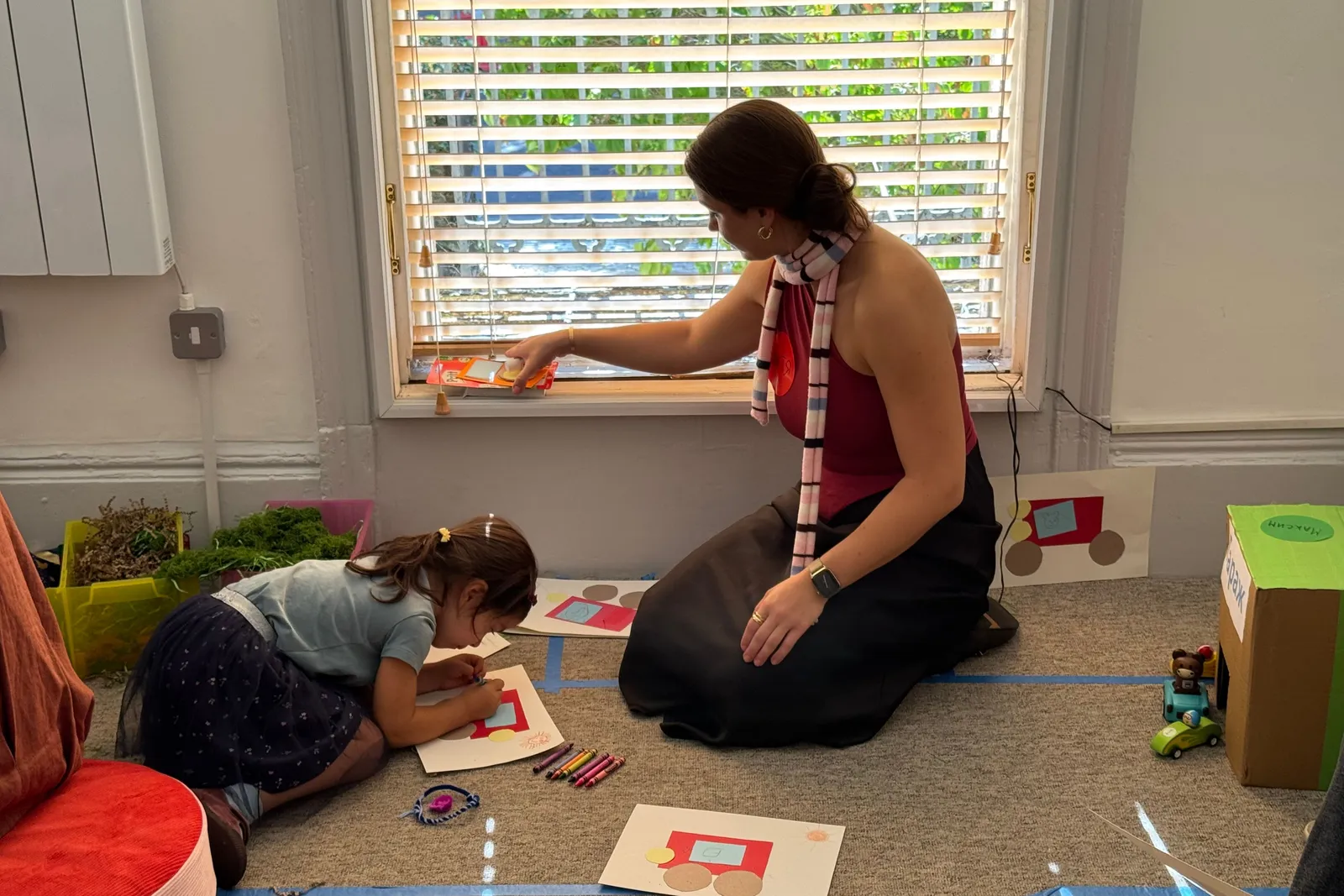
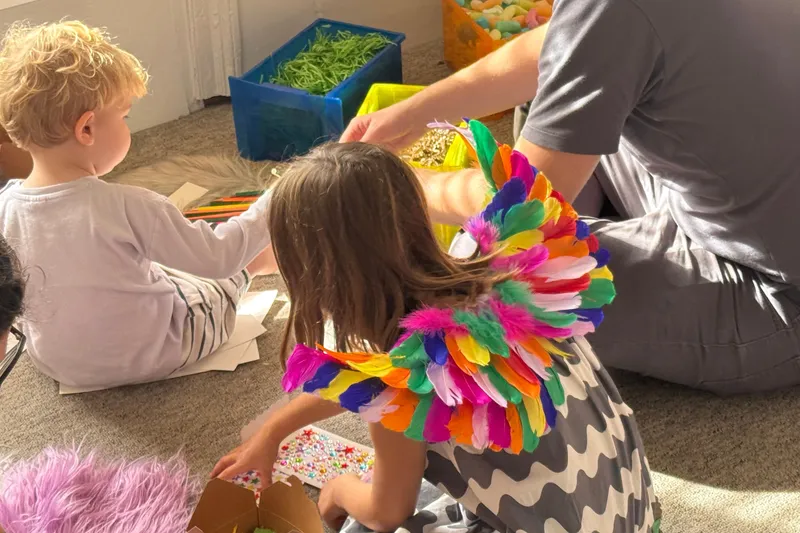
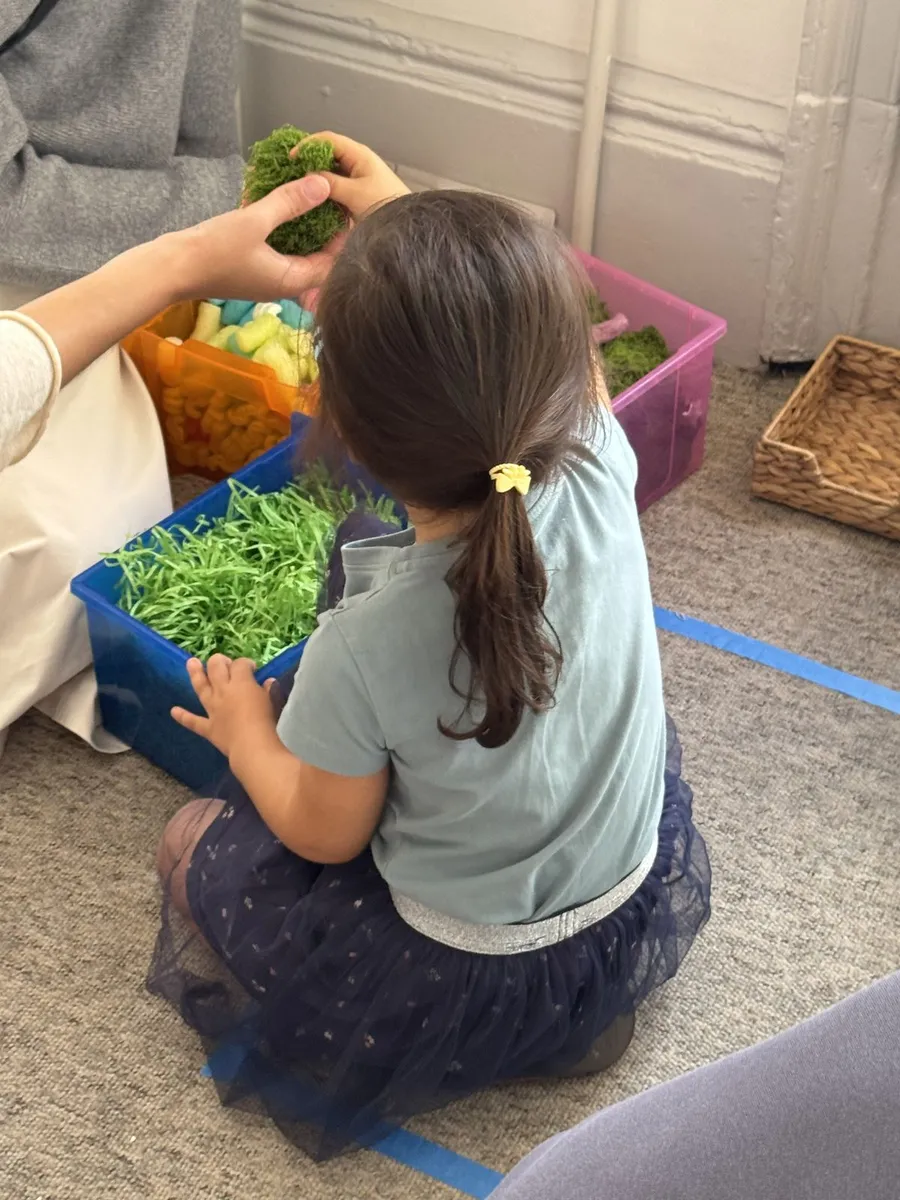
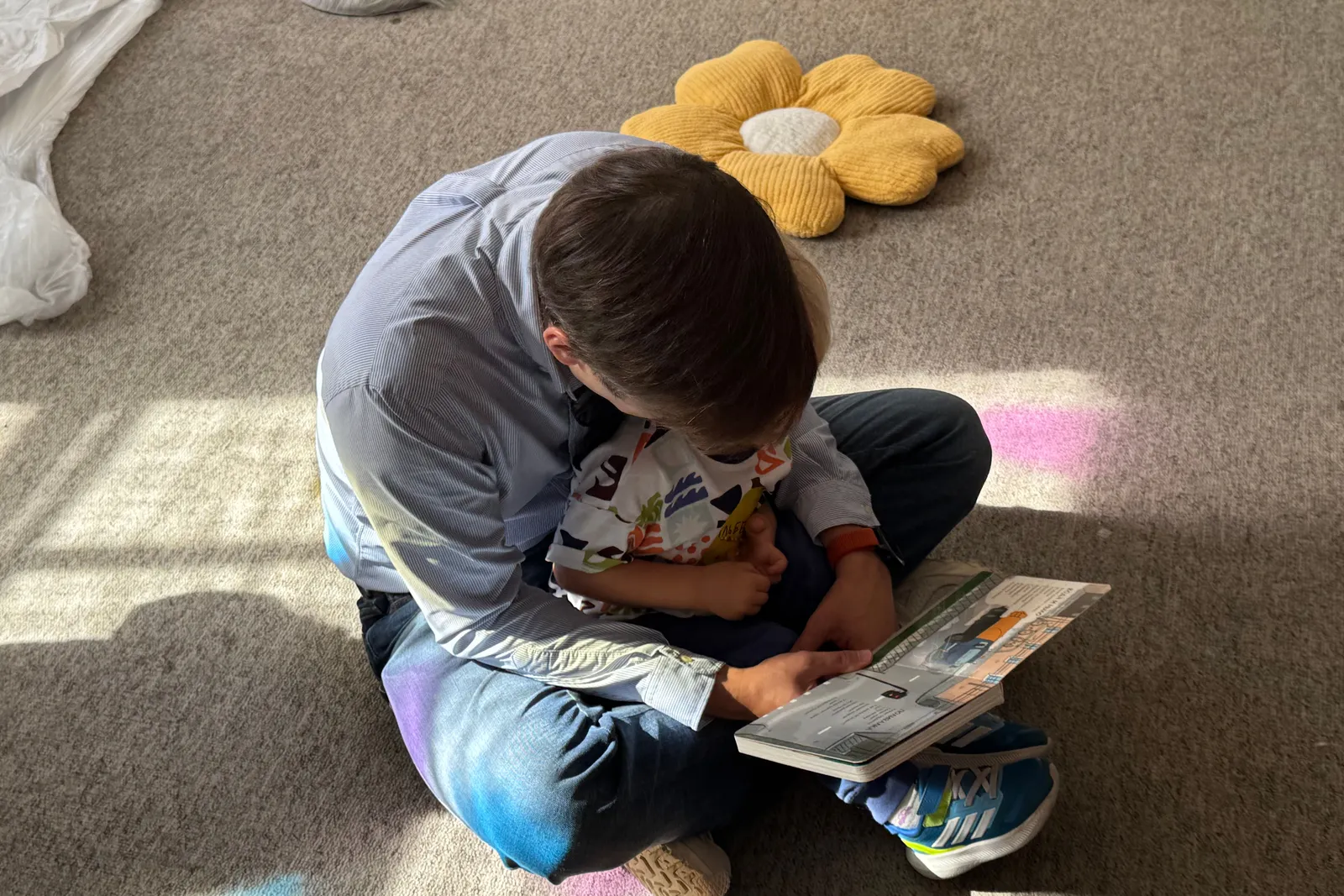
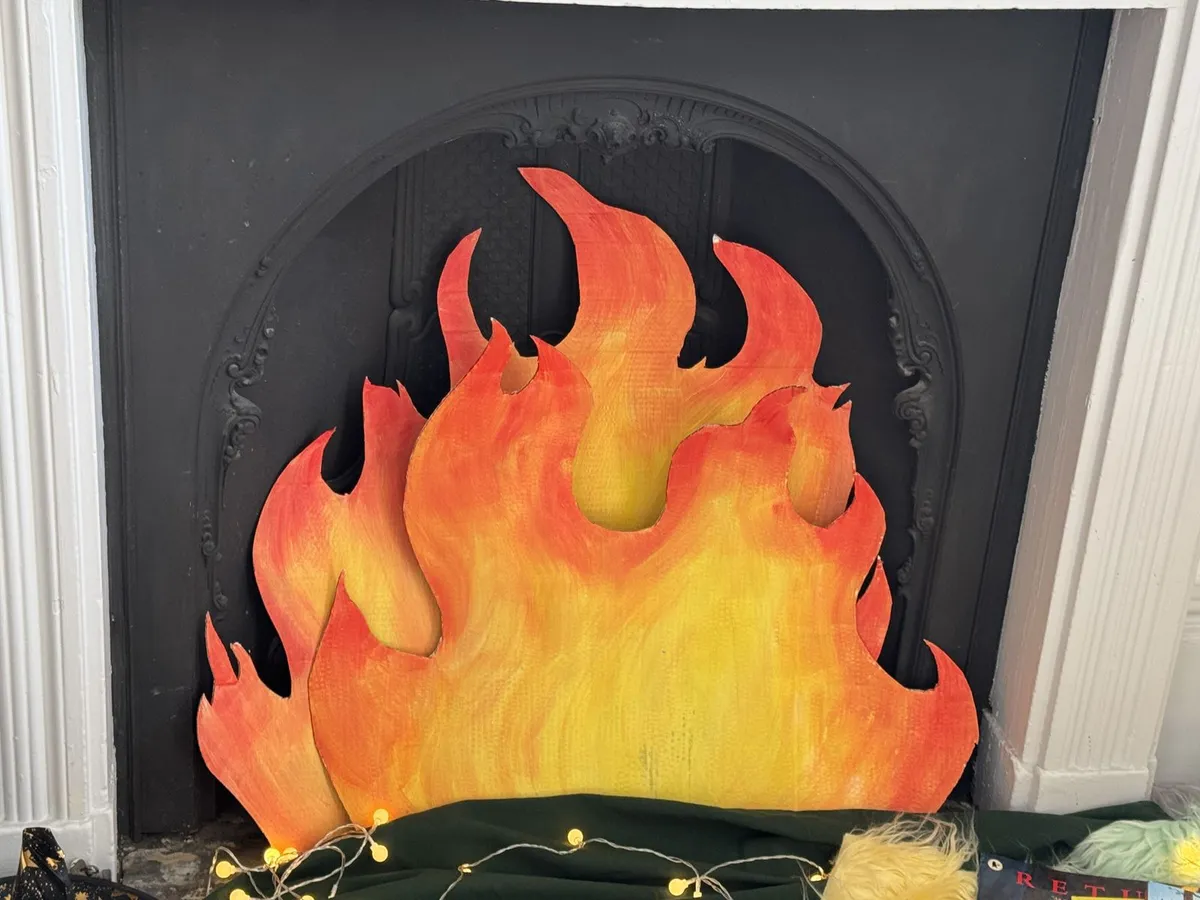
We're at 36 Pentonville Road, a five-minute walk from Angel station. And this is what our space and an ordinary Saturday at Abracadabra look like.
If you have any other questions, message us — we'll be happy to help!
Would you like to get to know Abracadabra? Send us a request and we'll help you choose a programme and arrange the first class.