


Book a trial

Children's University

for children aged 4–8, Saturdays from 10:30 to 13:30

Three hours, one topic of the day and four 40-minute classes: Russian, maths, a creative workshop and an interactive lecture. The whole day is in Russian.

One Saturday about water

Imagine you've come to the second year of Children's University; the children are 5–6. The topic of the day is water.

  1. Russian language and literature

    Words and short phrases about water. Children draw cards and run to the “sea” zone if the card shows something from the sea, or to the “rain” zone. Then they read the “wa-a-a-atery” letters.

  2. Maths and logic

    Water becomes a material for measuring: where there is more and where less, how much fits into different containers and how to get exactly the amount you need.

  3. Creative workshop

    Water becomes an art material: an ocean in watercolour on wet paper.

  4. Interactive lecture

    Water is the object of study: how much of it there is on Earth and inside a person, with experiments and observations the children share with each other.

Between classes there are breaks: two of 5 minutes and one of 10 minutes for a snack.

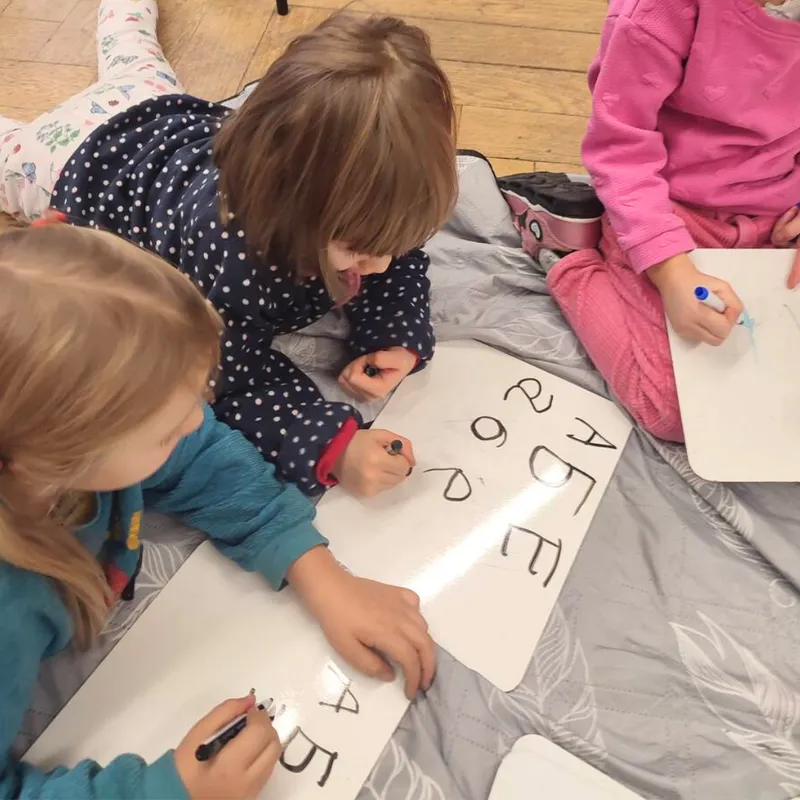
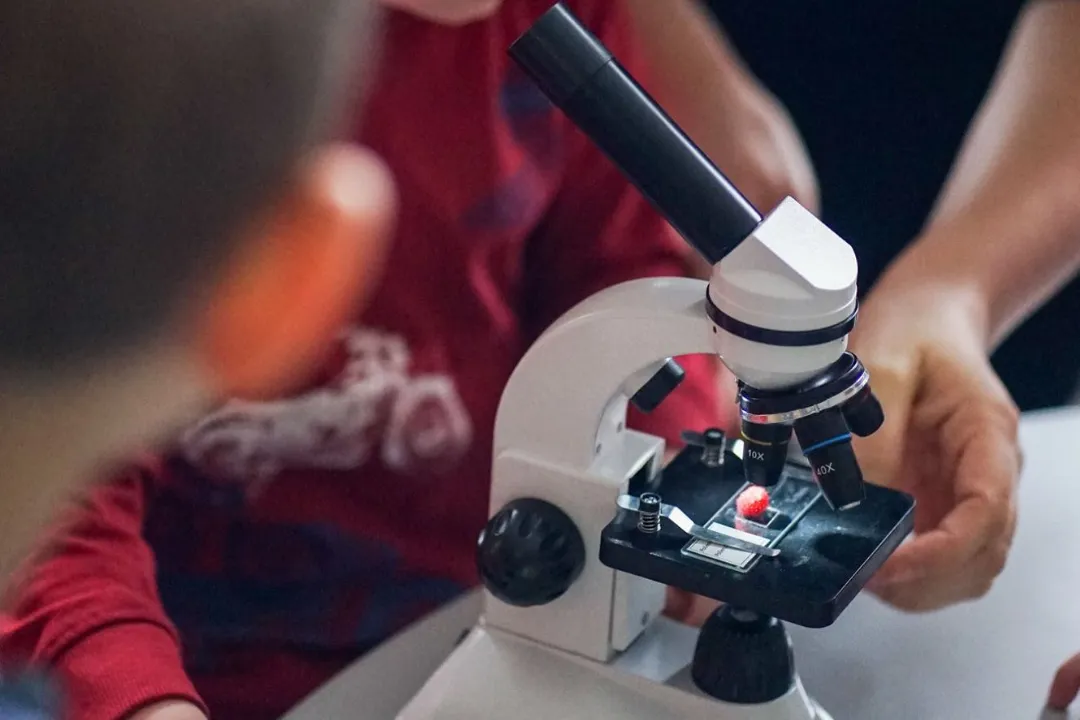
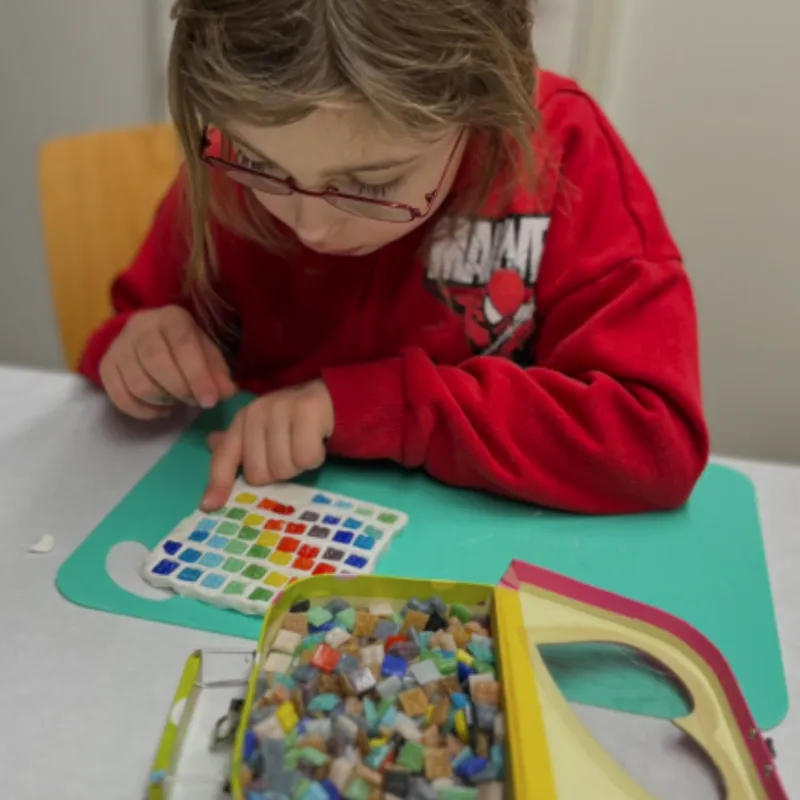
Children’s hands writing Russian letters in marker on a white sheetA child looking through a microscope, the teacher’s hands helping to focus itA girl laying out a mosaic of coloured glass pieces

Topics for the year

The Saturday topics add up to a theme for the term. First the children travel through time, from the Stone Age to the early modern era. Then they go around the world with Phileas Fogg. And at the end of the year they make their own film.

Each Saturday rests on three pillars: the words, the image and the question of the day. On the first Saturday the children meet prehistoric people, build a cave and look for an answer to the question “How do you live if nothing can be bought ready-made?”.

From the Saturdays about different eras the children put together a shared timeline, and it gets longer every week.

  • Term 1 Journeys through time
  • Term 2 Around the World in Eighty Days
  • Term 3 Film and television

Russian over four years

Four age groups, four turns of the programme. Skills come back every year, each time more demanding. We don't teach the letters in alphabetical order: in bilingual children the Latin alphabet gets in the way of the Russian letters, so the order is designed around how the letters sound and how they're built.

  1. Ages 4–5

    Letters and sounds. Our own order of letters, phonetic games, a quick move to reading by syllables.

  2. Ages 5–6

    From syllables to words. The hardest sounds of Russian, reading words and phrases, reading quests.

  3. Ages 6–7

    From words to phrases. Parts of speech, sentences, understanding what you have read, short texts of different kinds.

  4. Ages 7–8

    From phrases to texts. Spelling and dictations through games, cases and prepositions, writing of their own.

Maths works the same way: quantity, patterns, space and algorithms come back every year, a little harder each time.

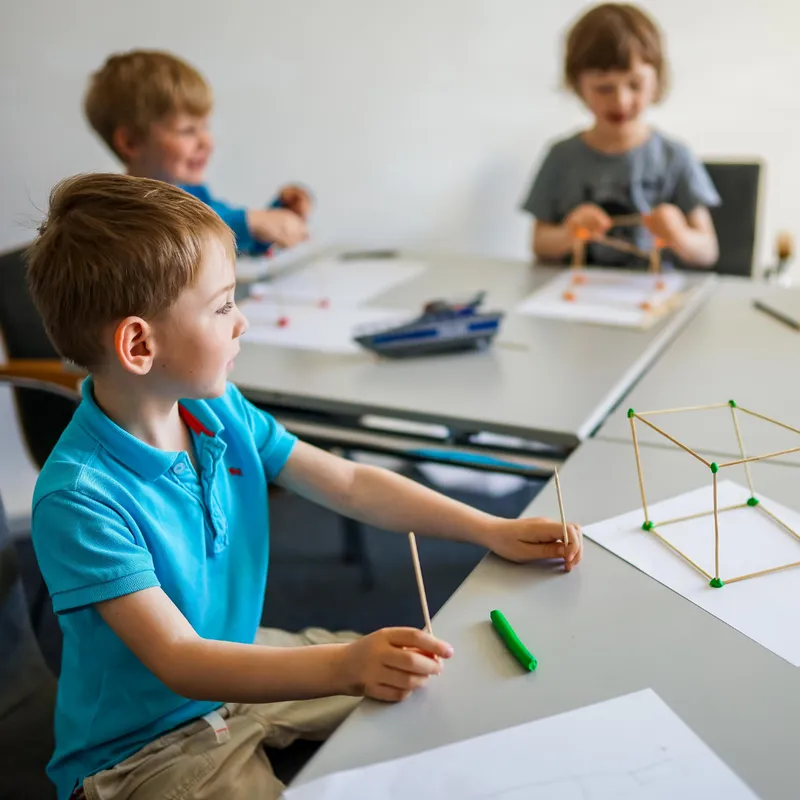
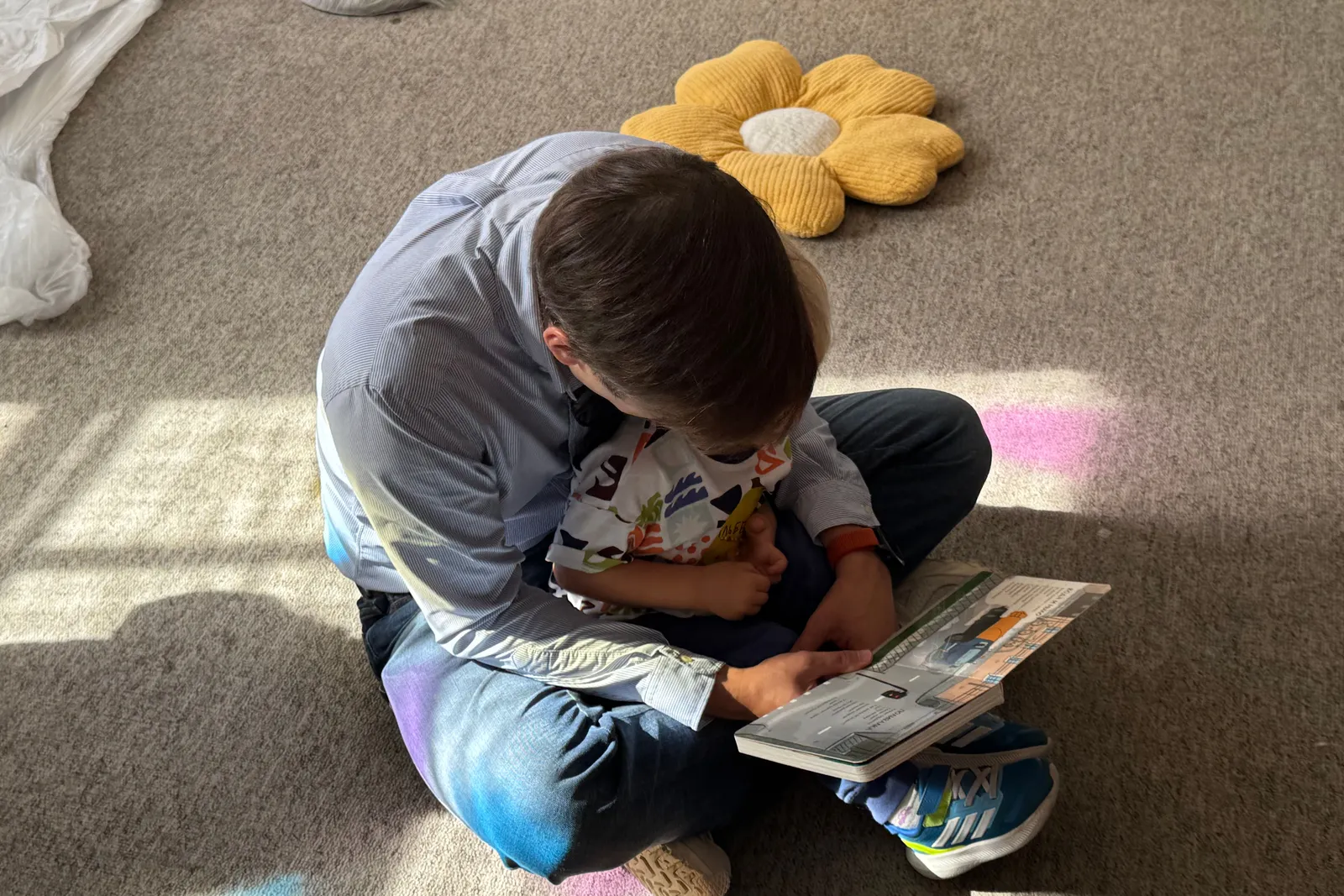
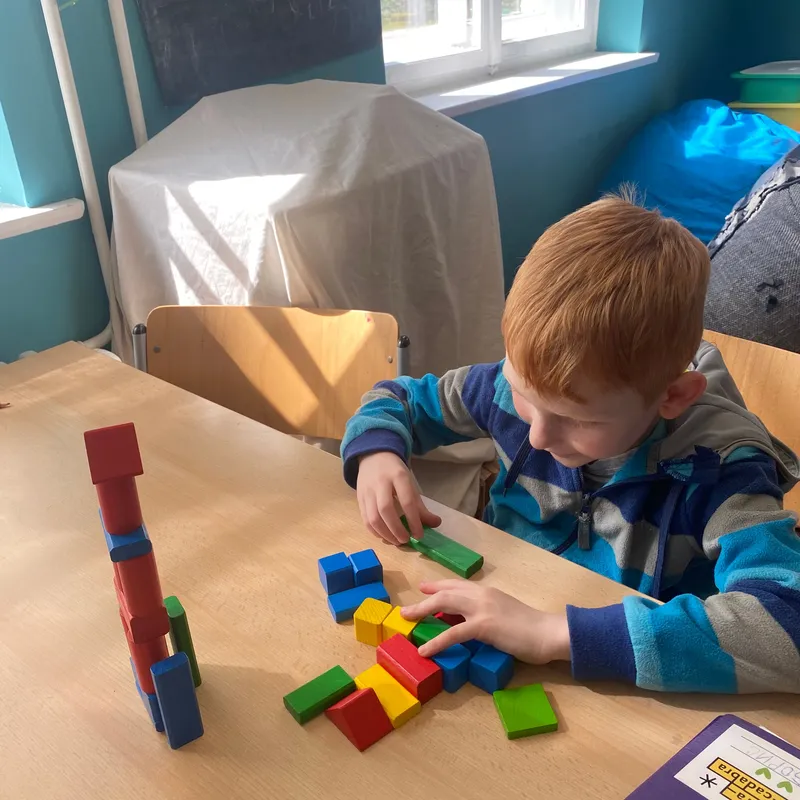
A boy building a pyramid frame from sticks and plasticineA child sitting on the floor leafing through a book, seen from aboveA boy building a tower of coloured wooden blocks

Who it's for

Children aged 4–8 who:

  • understand Russian when it's spoken to them,
  • can answer in Russian,
  • sometimes try to speak it themselves.

If there's no active Russian speech yet, write to us and we'll suggest a programme that fits better.

Any group has a mix of children: some already read, others are learning their first letters. So every task has several levels of difficulty, three in maths. The topic is shared, but each child gets a task they can manage.

Abra and Cadabra in graduation caps, with an owl

Where the parents are meanwhile

Children attend without parents. You bring your child for 10:30 and collect them at 13:30. While the classes are on, you can stay with us for a coffee or go for a walk around the area.

What to bring: a snack in a lunchbox and a water bottle with your child's name on it. No need for indoor shoes: we take our shoes off in the classroom.

Before each Saturday we email parents about the topic of the day. Every child has their own folder of work. There are no exams or tests, and homework is optional: finishing whatever they didn't get to in class.

Who teaches

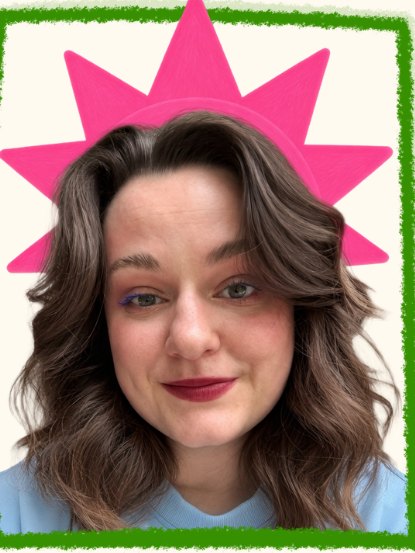
Yana, Russian language and literature, curriculum lead

Yana

Russian language and literature, curriculum lead

She studied literature at St Petersburg State University and then did a master's in directing in London. She has worked with children for 13 years: teaching literature, staging plays and running creative and educational projects. At Abracadabra she teaches Russian, gives interactive lectures and runs the Chitalka book club; she also leads the development and adaptation of our educational programmes and helps teachers plan their classes.

More

She graduated from the Faculty of Liberal Arts and Sciences at St Petersburg State University, where she studied literature, linguistics and film, and later took a master's in film directing in London.

She has worked with children since she was 15: teaching Russian language and literature one to one and in groups, running literature and drama sessions at a social rehabilitation centre, and staging plays in the theatre, including with teenagers.

She works in film and theatre as a director. She loves exploring how stories are built and why people read the same work in completely different ways. In class she is interested not only in taking texts apart but in hearing what thoughts, questions and feelings they stir in the children.

She believes literature can give us words to understand ourselves.
Natasha, Maths and logic

Natasha

Maths and logic

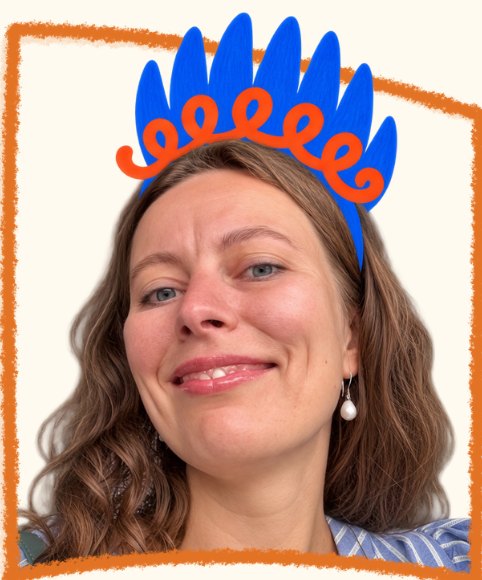
A maths graduate of St Petersburg State University who has worked with data in IT for ten years. In class the children count, compare, measure and learn to explain their reasoning in Russian. She says a good maths class should have a eureka moment in it.

More

She went to a specialist maths school and has been a camp leader, a tutor and a school teacher. Patterns, she says, can be found not just in an exercise book but right there on the windowsill or in the woods. She has a rescue dog and loves being outdoors.

Usva, Creative workshop

Usva

Creative workshop

An artist: she makes engravings, paints and runs children's sessions in London's museums, galleries and libraries. In the Children's University she looks after everything made by hand: the children draw, model, sew and glue. As a child she drew, climbed trees and patted every dog she met.

More

In her interactive lectures the children learn things they can then draw or build themselves. She wants every child to leave her class feeling seen and heard, and a real artist. She still walks along the kerbs.

The interactive lectures are given by different teachers. Yana, for instance, talks about film, and after Usva's lectures the children can draw or build what they've just learnt about.

Timetable and prices

Classes run every Saturday, and you can come to your first, trial class on any of them.

The trial class is paid separately and isn't part of the block. Once you've sent a request, we'll send you the details and a payment link. A missed Saturday carries over to the next block if you let us know in advance.

When
Saturdays, 10:30–13:30
Age
ages 4–8, grouped by age
Where
36 Pentonville Rd, London N1 9HF, Angel
Block of 4 Saturdays
£280
Trial class
£40
Book a trial class

Leave your name and your child's age, and we'll suggest a group and tell you how to come along. Or message us on Instagram.