
Saturdays at Angel
Clubs for ages 8–15
Abracadabra's programme for those who have outgrown Children's University. Small groups, all in Russian. Children can come to one club, or to both back to back.

maths circle
Matesha
ages 8–15, groups 8–11 and 12–15
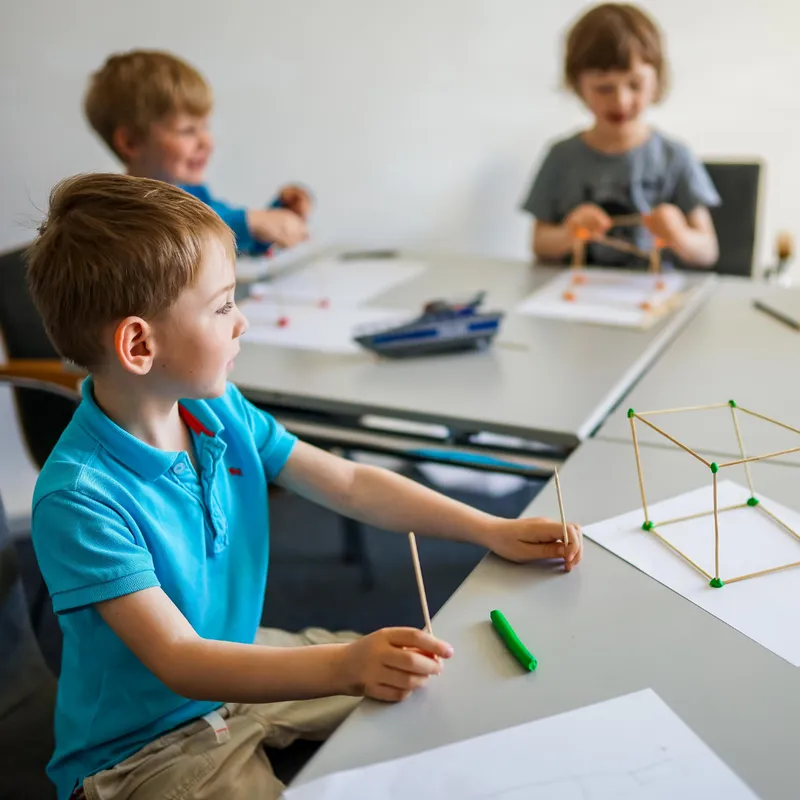
Logic problems and puzzles, combinatorics, number theory and geometry beyond the school syllabus. We work out where the rules come from instead of memorising them.
- When
- Saturdays, 12:00–13:30, 90 minutes
- Starts
- from 5 December 2026
- Price
- trial £20, £30 per session, £110 for four
- Led by
- Natasha
More about Matesha
“Matesha” is a playful Russian word for maths. The problems are the kind a classic maths circle sets: you can sit over one all evening. There are no marks, and each child can find their own way to the answer.
What we solve
- logic problems and puzzles
- combinatorics, number theory and probability
- geometry beyond the school syllabus
- non-standard and olympiad problems
The younger ones solve puzzles and logic riddles; the older ones work out why maths works the way it does. We do work through olympiad problems, but we don't drill for olympiads.
How sessions run
- We work out why it works. School gives you plenty of rules to memorise. In the club we look at how one thing follows from another, so you can reason your way to the rule yourself.
- The teacher asks questions rather than giving hints. The children find the answer themselves, not always at the first attempt. It's fine to get it wrong and to suggest your own route.
- Maths battles, carousels and debates. Once we've built up some material: we solve problems in teams and keep score, take problems “in a chain”, and argue about paradoxes.
The approach is more focused than at Children's University, where everything happens through play: we sit down and solve. The programme is matched to the age of the group. As Natasha puts it: “We don't set a frame, we create a space for exploration.”
book club
Chitalka
ages 10–15, groups 10–12 and 13–15
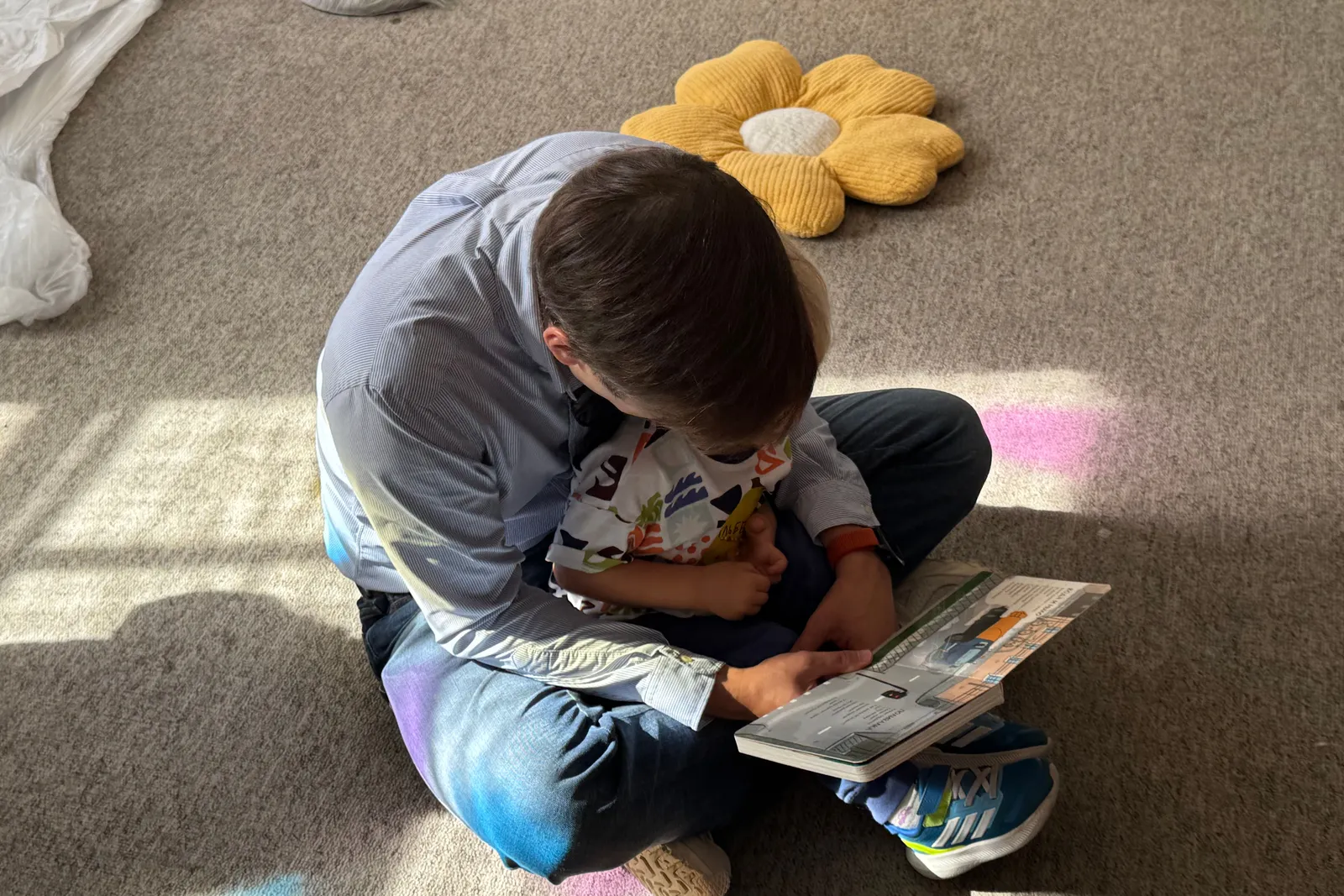
We read aloud at the meetings themselves, talk about the characters and write our own stories. No books to buy, no homework.
- When
- Saturdays, 13:30–15:00, 90 minutes
- Price
- trial £20, £30 per session, £110 for four
- Led by
- Yana
More about Chitalka
“Chitalka” comes from the Russian for “reading”. Some children can read perfectly well but don't enjoy the process at all. Others adore books but have nobody to talk to about them. Chitalka is for both.
How meetings run
- We read at the meeting itself. Aloud, in a small group. Parents don't need to buy the book in advance or chase up homework. If a story grips them, we'll help them carry on at home.
- There are no silly answers. We don't guess “what the author meant”. We talk about the characters, argue and sometimes change our minds.
- We write our own stories. Short pieces inspired by what we've read: that's how vocabulary grows and the habit of putting a thought into Russian takes hold.
What we read
Contemporary Russian-language and foreign literature, the classics, and all sorts of genres: adventure, detective stories, science fiction and poetry.
To take part, your child needs to read Russian fluently already. The age boundaries are flexible: we look at reading experience, interests and whether a child is ready for the group's books.
Matesha + Chitalka
The clubs run back to back, from 12:00 to 15:00. Both clubs, four Saturdays: £200. Older siblings of Children's University pupils can come along with the younger ones.

How the clubs work
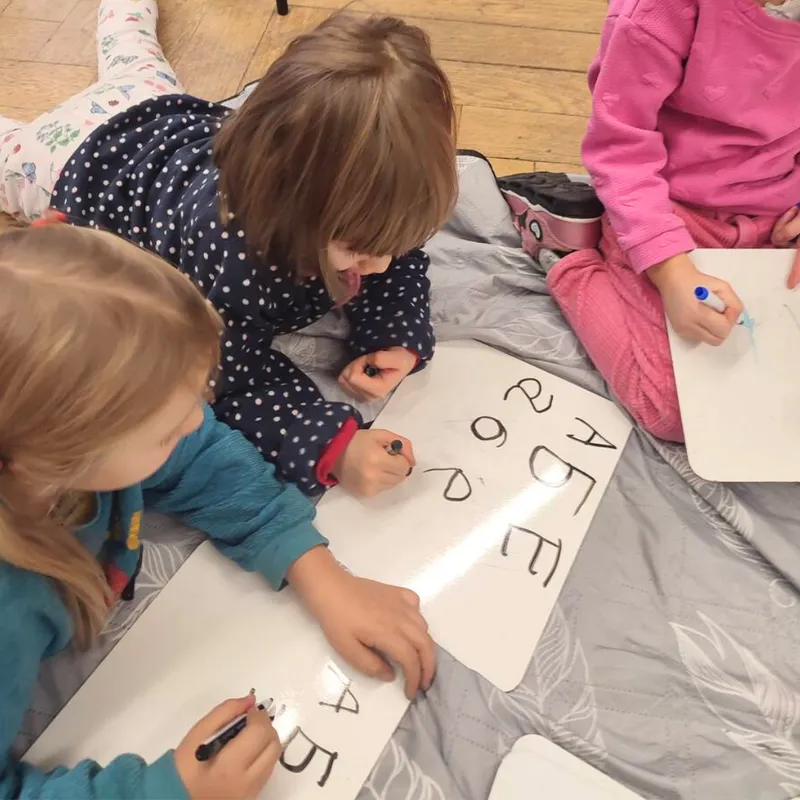
There are no marks. The teacher asks questions, and the children draw the conclusions themselves. It's fine to get it wrong and to say “I don't know, let's check”.
Sessions are in Russian. To take part, your child needs to understand spoken Russian and be able to answer in Russian; for Chitalka, to read fluently as well.
How to sign up
Leave a request in the form below with your child's age and the club. We'll confirm the group and send you a payment link. The first session can be taken on its own, for £30.
A missed Saturday carries over to the next block if you let us know in advance.

Book a trial class
Would you like to get to know Abracadabra? Send us a request and we'll help you choose a programme and arrange the first class.