The child is a participant
A child has their own interests and their own way of thinking. The adult is responsible for safety and sets the frame for the class.
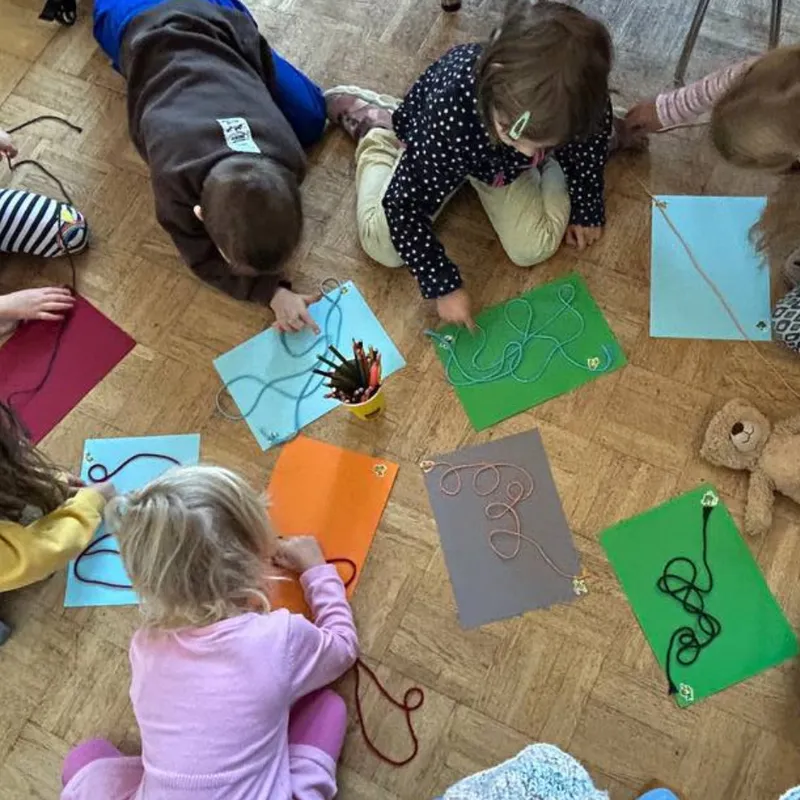
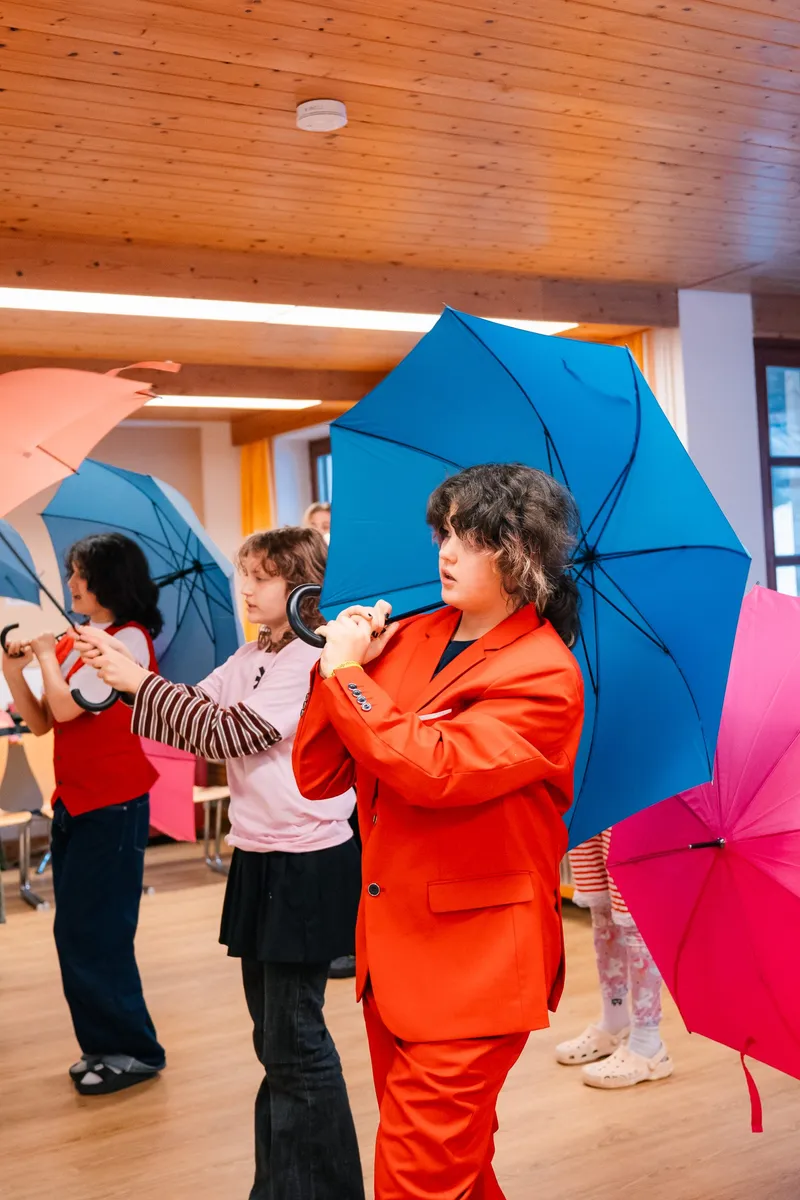
We work on the principles of humane pedagogy and non-formal education: a child learns through interest and their own experience, with no marks.
Below are the rules every teacher and assistant on our London team knows. More about the Abracadabra network is at the bottom of the page.
A child has their own interests and their own way of thinking. The adult is responsible for safety and sets the frame for the class.
The teacher asks themselves why these children need this topic today. Starting from a child's own experience makes it easier to get to a letter, a number or a book.
After a game or a build, we talk about what happened and what we noticed. The children draw the conclusions themselves.
“What do you think? Who sees it differently?” A teacher can say: “I don't know, let's find out together.”
We don't compare children. Instead of “you're not paying attention”, we say: “Look, you missed a bit here.”
A child chooses how to take part: answer out loud, draw, or work in a pair.
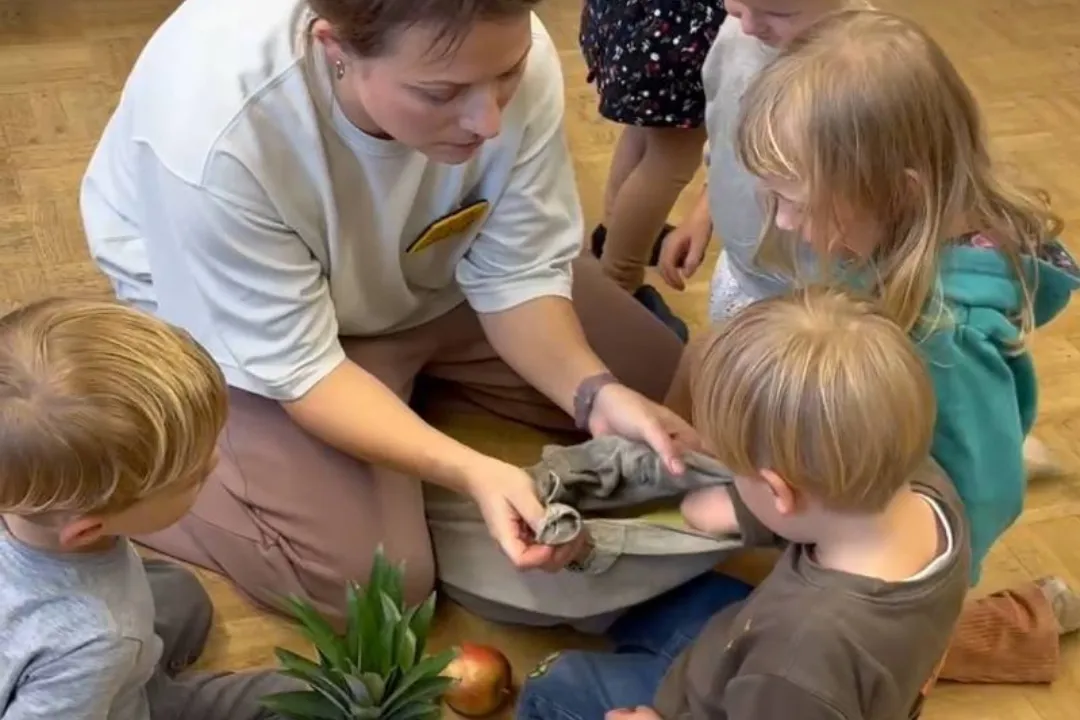
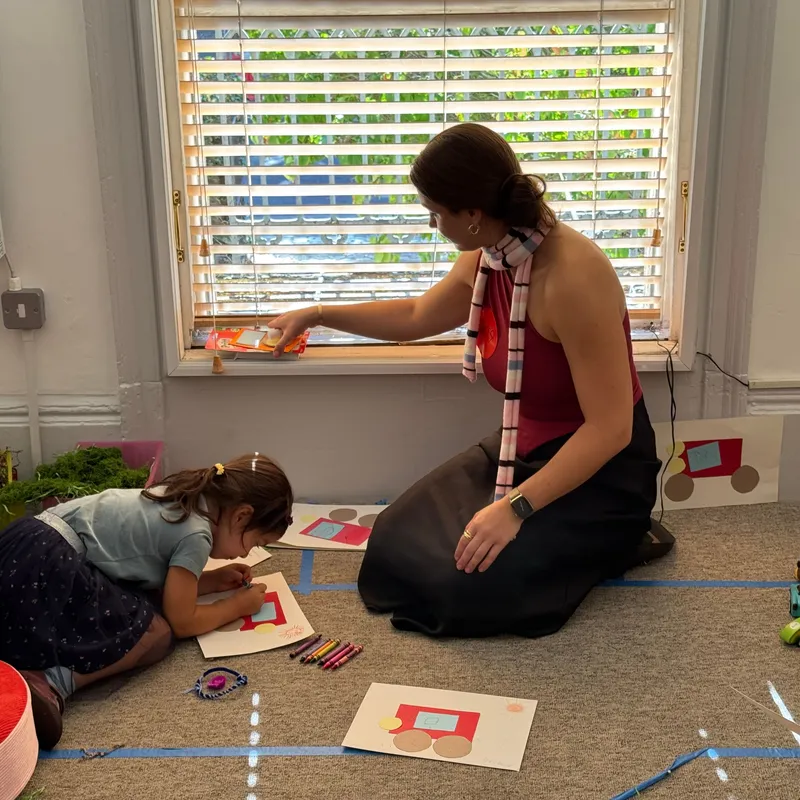
From the handbook every Abracadabra teacher and assistant receives.
These are the rules for the whole team. All our teachers have DBS checks, and the school is insured. More on the Safeguarding page.
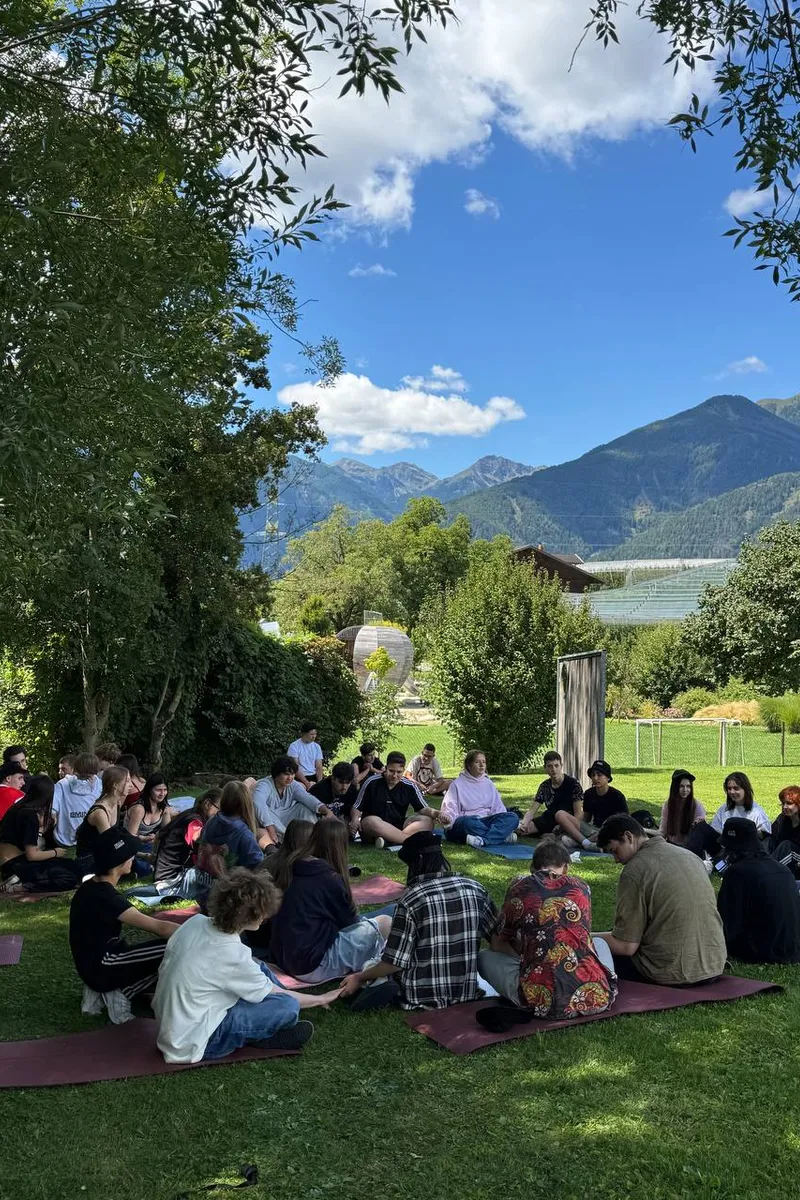
Abracadabra opened in Munich in 2017. It now has schools in Munich, Berlin, Amsterdam and London: groups for little ones, the Children's University, theatre, courses for teenagers and adults, and camps in Austria, Bavaria and South Tyrol.
Our London teachers plan their classes together with the methodologists in Munich, drawing on the experience of the other schools and on what their own groups need.
At the same time, we have our own team of teachers, and with it come new projects: the Chitalka book club and the Matesha maths circle.
Visit the Abracadabra website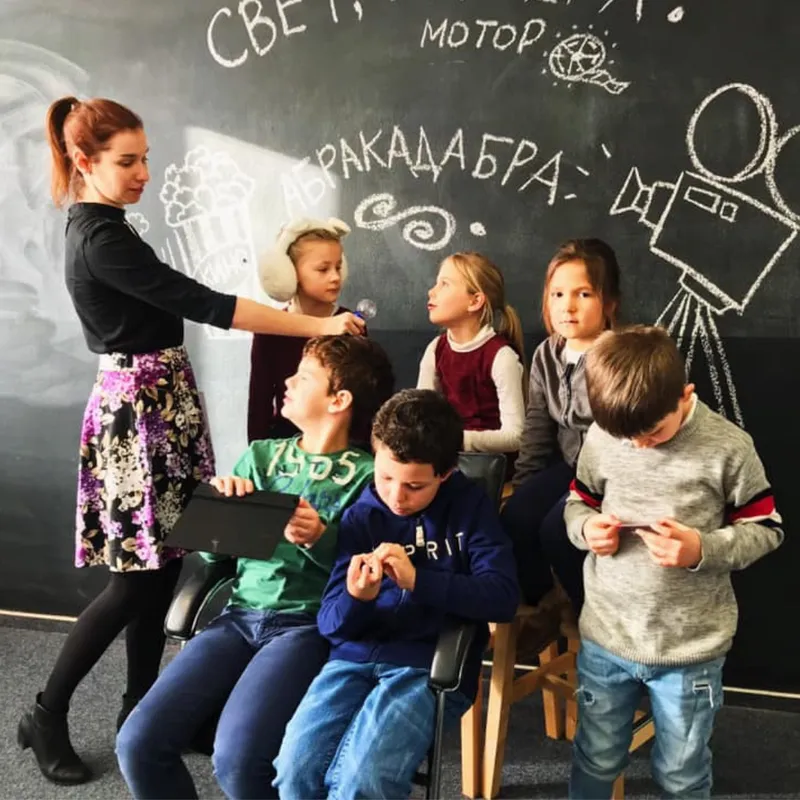
A child understands everything in Russian but answers in English. It happens when school and friends are all in English, and Russian is only for talking to parents. Often Russian turns into the language of being tested: “Say it in Russian”, “You know this!”
At home you can answer in Russian without turning the conversation into a lesson. Your child says: “I saw a huge dog today!” You can reply in Russian: “Wow, you saw a huge dog? Where was it?”
At Abracadabra a child has other children to speak Russian with, not just mum and dad.
Would you like to get to know Abracadabra? Send us a request and we'll help you choose a programme and arrange the first class.